







Register of cemeteries
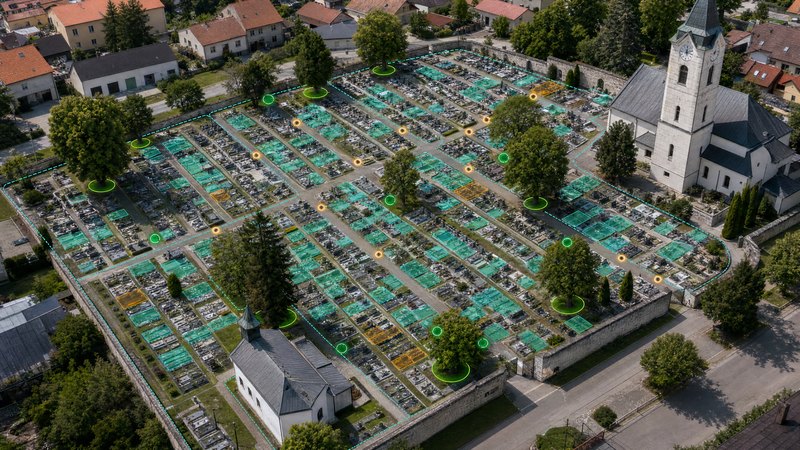
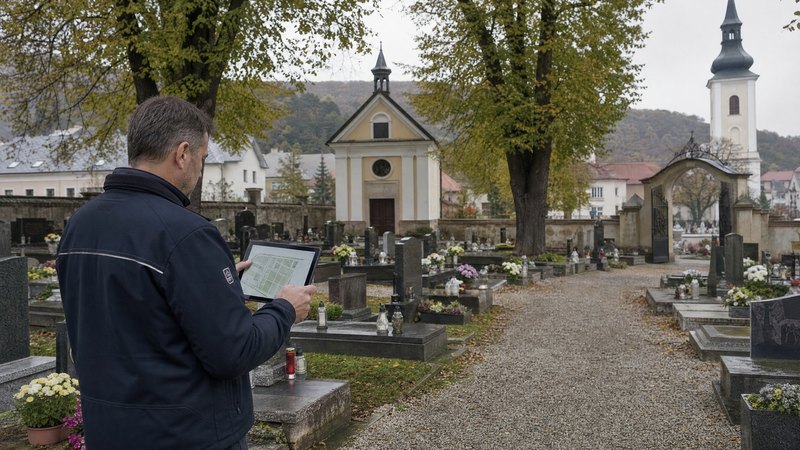
A clear overview of cemeteries on a digital map
What the module does
Cemetery records are often kept in paper registers, spreadsheets or separate systems, which makes it difficult to find information and complicates administrative tasks.
- unclear records of grave sites
- missing map overview of sectors and fields
- a rigorous audit of tenancy arrangements and payments
- limited public awareness
SMARTmap creates a comprehensive digital register of cemeteries.
Cemeteries and sections
Gravesites
Deceased Persons and Tenancy Arrangements
Module features
The module provides a comprehensive solution for cemetery management, the registration of grave plots and the administration of tenancy agreements within a unified digital environment. It enables the creation of detailed grave site records containing basic identification data, information on leaseholders, photographic documentation, attachments and a complete history of changes. All data is centralised and easily accessible, which simplifies the day-to-day management of cemeteries and ensures high-quality record-keeping.
An important feature of the module is the map view of the cemetery, which allows users to find their way around the grounds intuitively and quickly search for grave sites by the name of the deceased, sector or grave number. Users can work with thematic occupancy maps to gain an immediate overview of available, occupied or reserved plots. The map interface also improves access to information for both cemetery management staff and the public.
The module supports comprehensive management of tenancy agreements, including the recording of contracts, charges and payment history. Automated notifications alert you to the imminent expiry of a tenancy, thereby simplifying communication with tenants and helping to prevent administrative complications. The system also supports the processes for extending, terminating or renewing tenancies.
Another key area is the operation and maintenance of the cemetery. The module enables the recording of fixtures and fittings, footpaths, fencing, lighting and other infrastructure elements, as well as the planning of repairs and maintenance work, and links these to the activities of the technical services department. This gives administrators an overview of the condition of the assets and enables them to plan necessary interventions more effectively.
In practice, the module is used by various user groups. The cemetery administrator is responsible for keeping records of grave plots and managing tenancy agreements, the local authority’s administrative staff handle contractual matters, payments and communication with leaseholders, whilst the public can easily search for the location of grave plots and obtain basic information about the cemetery via the public section of the system.
The module provides a range of practical outputs, including maps showing cemetery occupancy, overviews of available and reserved grave plots, lists of leases due to expire, and exports intended for administrative, record-keeping or reporting purposes. These outputs support effective capacity planning and simplify day-to-day operations.
The solution includes integration with address registers, the population register (to the extent permitted by legislation) and property registration systems. The module can also be linked to local authorities’ financial and payment systems for the management of charges, rent, invoicing and financial records. It also supports integration with document management systems and electronic archives, where contracts, permits and other related documentation are stored.
A public map portal is available to members of the public, enabling them to search for grave sites and find their way around the cemetery grounds. The system ensures that public and internal data are kept separate, thereby meeting data protection requirements and ensuring secure access to information.
The main benefits of the module include transparent and dignified cemetery management, a significant reduction in the administrative burden, better public information, and more efficient planning of capacity and the development of cemetery infrastructure.