







Tax administration
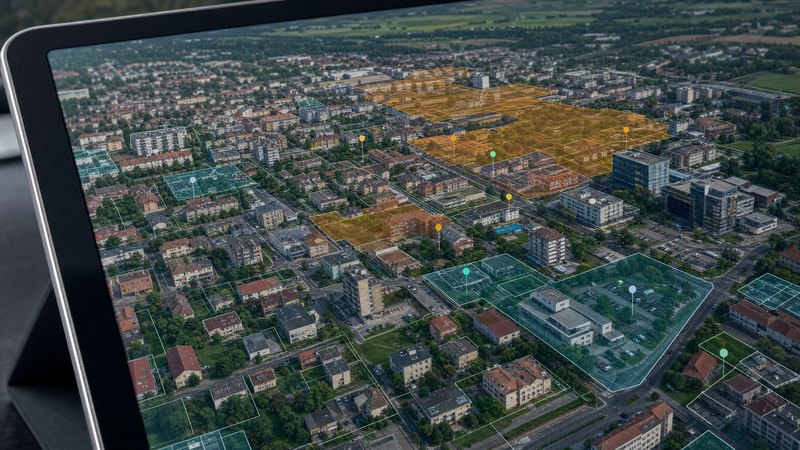

Digital management of local taxes and charges, linked to map data
What the module does
The administration of local taxes is often based on data scattered across multiple records, which increases the administrative burden and the risk of inaccuracies.
- out-of-date information on properties and owners
- complex verification of tax liabilities
- the difficulty of identifying arrears and discrepancies
- limited scope for spatial analysis of the tax base
SMARTmap integrates economic, registration and mapping data into a single platform and provides a comprehensive overview of taxable properties and taxpayers.
Taxpayers
Property and buildings
Tax matters
Module features
The module enables comprehensive record-keeping of taxpayers, properties and tax liabilities, linked to map data and the property register. Users gain an overview of taxpayers, plots of land, buildings and other properties subject to local taxes and charges, including their precise location within the area.
The solution includes the management of the entire tax administration lifecycle, from the recording of tax returns and changes in ownership to the calculation of tax liabilities, the generation of decisions and the monitoring of payments. The module supports the recording of payments, overpayments, underpayments and reminders regarding outstanding liabilities, thereby simplifying the day-to-day work of local authority staff.
SMARTmap also provides analytical tools for checking and verifying data. It enables users to compare records with land registry data, identify missing or out-of-date entries, and detect potential discrepancies in tax records. Thanks to spatial analyses, local authorities gain a better overview of the tax base and the opportunities for optimising tax collection.