How GIS helps local authorities collect local taxes more efficiently
Local taxes are a key source of revenue for local authorities. However, the quality of their collection depends on the accuracy of the data used by the municipality or town. If the records do not reflect the actual situation, this leads to revenue shortfalls and administrative complications.
One of the most common problems is a discrepancy between the recorded and actual data on properties. New buildings, extensions or changes in ownership may not be immediately reflected in all registers.
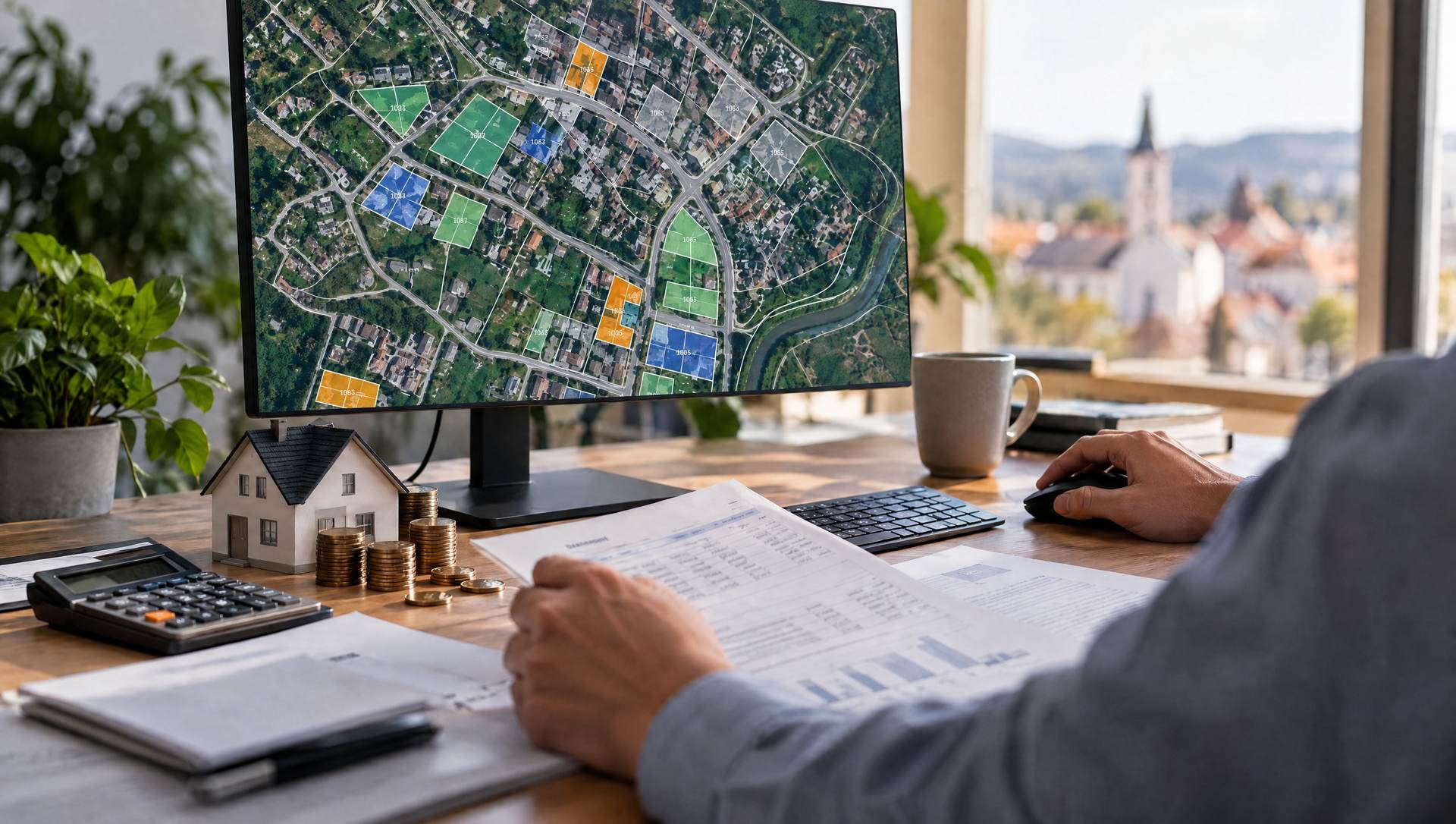
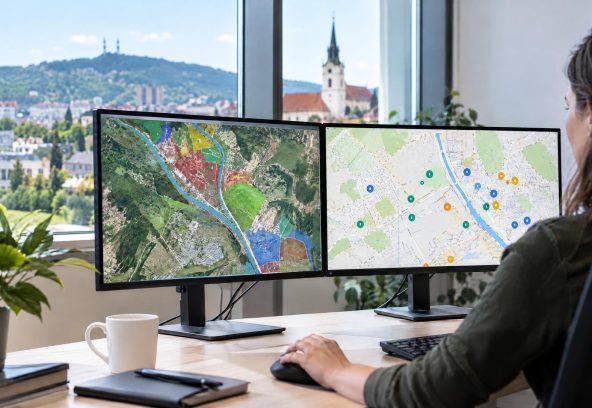
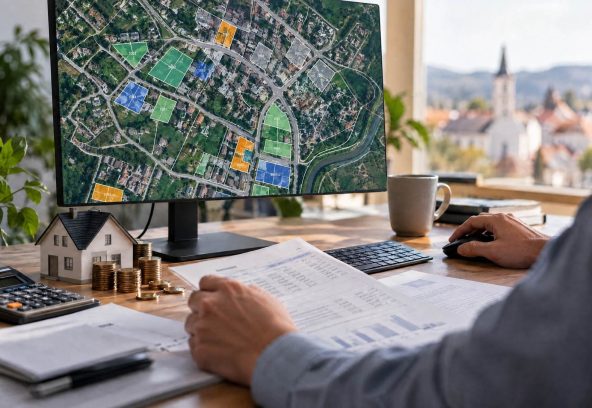
GIS enables tax data to be displayed in a map-based environment and compared with other sources of information. This makes it easier for officials to identify discrepancies and gain a more accurate picture of the area under their jurisdiction.
Data in context
By linking cadastral data, orthophoto maps, property registers and other databases, a comprehensive overview of properties and ownership relationships is created. Tax administration becomes more efficient and decisions are based on up-to-date data.
As well as checking data, GIS also enables the production of analytical outputs, the monitoring of trends and the planning of activities in the field of tax administration.
Key benefits of the solution
more accurate property records
easier identification of discrepancies
more effective checks
a better overview of the area
greater efficiency in tax collection
Accurate data as the basis for a stable income
Effective management of local taxes requires accurate and up-to-date information on the local area, properties and ownership structures. Mapping technologies provide local authorities with a new perspective on tax data and enable them to identify discrepancies or potential revenue shortfalls more effectively.
SMARTmap links tax records with geographical data and creates a unified environment for managing and analysing information. The result is fairer tax collection, better-informed decision-making and more effective use of financial resources for the benefit of the town or municipality’s development.