Digital Cemetery: Why paper maps are a thing of the past
Cemeteries represent a specific area of administration which, in many towns, is still managed using paper maps, archives and manual records. This way of working is time-consuming and often leads to inaccuracies or difficulties in retrieving information.
Cemetery administration staff must regularly deal with tenancy agreements, records of the deceased, the management of grave plots and the verification of payments. If data is scattered across multiple records, every enquiry requires a time-consuming search for information.
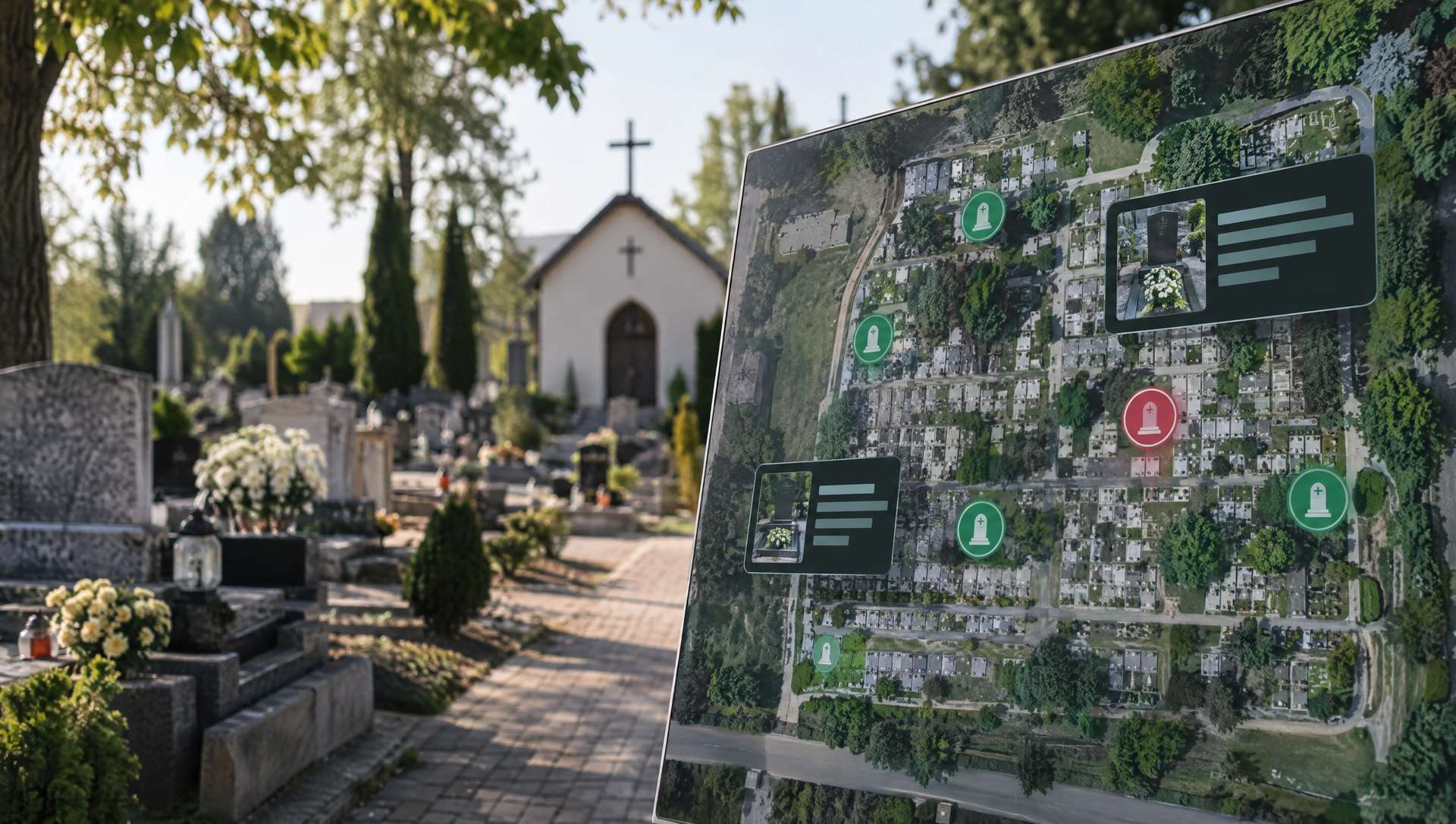
SMARTmap transforms cemetery records into a digital system in which each grave site is precisely located and linked to the relevant data.
Everything in one place
Users can easily search for deceased tenants, check tenancy agreements, track payments or manage documentation. All information is available directly from the map interface.
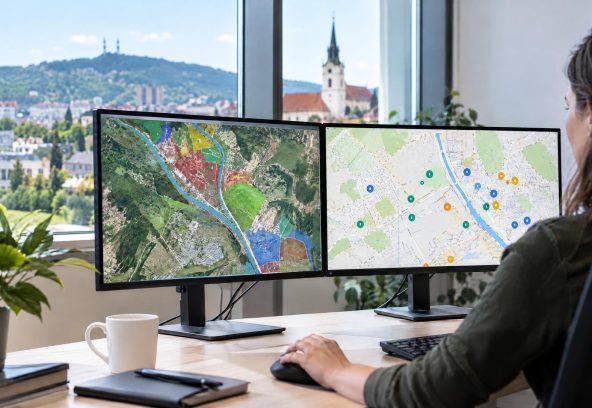
Another significant advantage is the ability to make some of the data available to the public via an online map portal.
What does a digital cemetery offer?
accurate records of grave sites
quick data search
management of tenancy agreements
overview of payments and deadlines
better services for citizens
Modern cemetery management services
The digitisation of cemetery records significantly simplifies the work of administrators whilst improving the quality of services provided to the public. Accurate records, easy data retrieval and integration with a mapping system eliminate a great deal of administrative work and reduce the risk of errors.
SMARTmap enables the creation of a modern digital cemetery where all information is accessible quickly, clearly and in one place. Organisations thus gain an effective tool for managing grave plots, tenancy agreements and communication with the public.